Ancient Pottery of Thailand Embroidery Review
As an embroidery designer who spends hours scrutinizing stitch lines and fabric interactions, I approach every new design asset with a mix of excitement and skepticism. When I first pulled up Ancient Pottery of Thailand, I knew immediately this had the potential to be a standout piece for our upcoming limited-edition sweatshirt drop. We are targeting a boutique audience that values authenticity, cultural heritage, and tactile quality. This design isn’t just a graphic; it is a narrative woven into thread.
First Impressions: Mood and Visual Impact
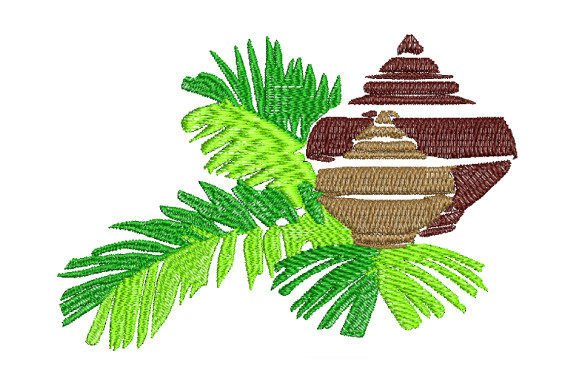
The title Ancient Pottery of Thailand suggests something rooted in history, yet the description hints at a playful diversity of shapes. From a design perspective, this balance is crucial. The pattern draws inspiration from the elaborate hand-molding techniques found in Thai handicrafts. Visually, this translates to organic curves, textured surfaces, and a sense of artisanal imperfection that machine embroidery can capture beautifully if executed correctly.
My initial reaction is one of warmth and rustic elegance. The layout feels balanced but not rigid, allowing the eye to wander across the different pottery shapes. It avoids being overly ornate or cluttered, which is a common pitfall in designs inspired by intricate Asian art. Instead, it offers a decorative yet accessible aesthetic. It feels premium without being stuffy, and bold enough to stand out on a garment without shouting for attention. For a small brand looking to establish a distinct visual identity, this embroidery file provides exactly that kind of memorable character.
Application on Premium Sweatshirts
Sweatshirt embroidery presents unique challenges compared to lightweight fabrics. The bulk of the material requires careful planning regarding placement and stability. Here is how I envision Ancient Pottery of Thailand performing across different apparel styles:
- Neutral Tones: On oatmeal, cream, or soft grey sweatshirts, the design will pop with earthy elegance. The natural colors of the pottery motifs will harmonize perfectly with neutral fabrics, creating a cohesive, minimalist look that appeals to modern lifestyle consumers.
- Dark Fabrics: Charcoal or black hoodies provide a dramatic canvas. The contrast here will be striking, especially if we use lighter thread colors for the main pottery shapes. This combination leans towards a more urban, contemporary vibe while retaining the artisanal feel.
- Pastel Colors: Pastel pink or sage green sweatshirts offer a softer, more feminine interpretation. The delicate nature of pastel tones complements the "hand-molded" aspect of the design, making it feel cute, gentle, and highly Instagrammable.
- Oversized Hoodies: For oversized fits, chest placement works best. The design’s horizontal flow suits the wider expanse of the chest area, creating a focal point that doesn’t get lost in the volume of the garment.
I also see great potential for back designs. A larger version of the pottery motif centered on the back of a hoodie could serve as a statement piece. This approach elevates the garment from basic merchandise to a collectible item, which is essential for building brand loyalty among Etsy sellers and small shop products.
Placement Strategies for Maximum Appeal
Beyond the front chest, consider sleeve accents. A smaller, simplified version of one of the pottery shapes placed near the cuff adds a subtle detail that discerning customers love. It encourages them to examine the garment closely, increasing engagement. For boutique brand merchandise, these small touches signal high-quality attention to detail.
Technical Evaluation: Stitch Density and Fabric Texture
When reviewing a machine embroidery design, my eyes always go to the stitch density. Pottery textures require a good amount of fill stitches to mimic the molded surface. If the density is too low, the design will look flat and lose its three-dimensional appeal. Conversely, if it is too dense, it might pucker the heavy cotton-poly blend typical of premium sweatshirts.
I recommend testing Ancient Pottery of Thailand on a sample garment using a cut-away stabilizer. Given the thickness of sweatshirt fabric, a tear-away stabilizer may not provide enough support during the stitching process, leading to misalignment or distortion. The right stabilizer ensures that the thread colors remain crisp and the shapes retain their integrity.
Another critical factor is hoop placement. Because sweatshirts have seams and varying thicknesses, hooping can be tricky. I suggest using a floating method or a specialized hoop adapter to ensure the design sits perfectly flat. This technical precision directly impacts the finished product quality, which is the primary driver of customer trust and positive reviews.
Commercial Viability and Brand Identity
For digital embroidery file sellers and apparel decorators, versatility is key. Ancient Pottery of Thailand bridges the gap between cultural appreciation and fashion. It allows brands to tap into the growing interest in global handicrafts without resorting to clichés. The design feels authentic because it respects the source material—Thai pottery—while adapting it for modern wearable art.
This custom apparel option enhances buyer trust. Customers are increasingly savvy; they can tell the difference between a cheap print and a well-executed embroidery. The texture of the threads adds a tactile element that photos cannot fully convey, but high-quality printable mockup previews can help simulate this depth. By showcasing the design on realistic garments, you help the buyer visualize ownership, which boosts conversion rates.
Furthermore, the design supports strong brand storytelling. You can market this collection as part of a broader narrative about handmade products and artisanal traditions. This emotional connection drives customer engagement and encourages repeat purchases. It transforms a simple sweatshirt into a piece of art with a story, adding significant perceived value.
Practical Considerations for Production
Before committing to a full production run, there are several practical checks every designer must perform. First, verify the hoop size compatibility. Ensure your embroidery machines can accommodate the design dimensions without requiring re-hooping, which can lead to registration errors.
Secondly, assess the thread colors. The design likely calls for a specific palette to achieve the pottery effect. Stock up on high-quality polyester or rayon threads that resist fading after multiple washes. Washing durability is paramount for apparel; customers expect their embroidered items to maintain their vibrancy over time.
Also, consider the readability of the design at smaller sizes. If you plan to offer variations, such as a pocket-sized logo, test the design down to the smallest intended dimension. Complex details may become muddy if scaled too far down. In such cases, simplifying the design assets might be necessary to maintain clarity.
Final Thoughts for Creative Entrepreneurs
Ancient Pottery of Thailand is more than just a pattern; it is a versatile tool for creative entrepreneurs. Whether you are an Etsy seller looking to diversify your inventory or a small clothing brand aiming for a cohesive seasonal collection, this design offers a sophisticated touch. It captures the essence of Asian craftsmanship while fitting seamlessly into contemporary streetwear and casual fashion.
By paying close attention to technical details like stabilizer choice and stitch density, you can ensure that every handmade product leaves your studio ready to impress. This design has the power to elevate your brand identity, making your sweatshirts not just clothing, but conversation starters. I am confident that with proper execution, Ancient Pottery of Thailand will become a staple in any serious embroidery portfolio.
Remember to check the specific file specifications before production, as exact stitch counts and format requirements can vary. But visually and conceptually, this design hits all the right notes for a successful commercial launch. It is elegant, culturally rich, and technically sound—a true winner for the modern boutique market.