Safari Monkey Embroidery Review for Business Merch
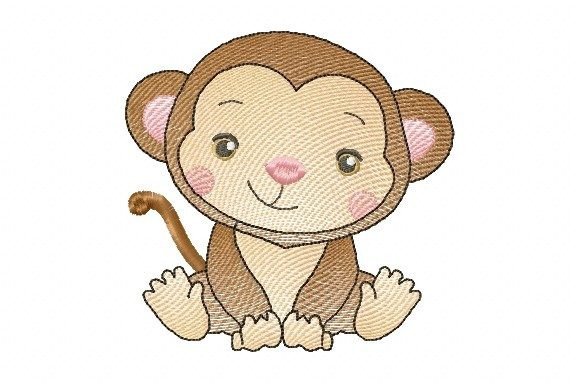
As an experienced embroidery designer who has spent years refining designs for commercial use, I approach every new file with a critical eye toward scalability and brand impact. When reviewing the Safari Monkey machine embroidery design, my primary focus is not just on its cuteness, but on its viability as a core asset for small business merchandise and branded patches. This piece falls under the Baby Animals category, which immediately signals a playful, friendly, and approachable tone. For owners of boutiques, bakeries, creative studios, or handmade brands looking to elevate their custom apparel, understanding how this design translates from a digital file to a finished product is crucial.
First Impressions: Playful Yet Professional
The description of Safari Monkey highlights its ability to add a "friendly and playful accent." In the world of branding, these are powerful words. A design that feels too stiff can alienate customers, while one that is too whimsical might lack authority. My initial assessment suggests that Safari Monkey strikes a balance perfect for businesses wanting to appear accessible without sacrificing quality. It feels like a handmade product designed by someone who understands texture and personality.
Unlike generic clip art, a high-quality embroidery file must have distinct lines and sufficient negative space to stitch cleanly. The concept of a monkey in a safari theme offers natural opportunities for earthy tones and bold outlines, which generally translate well into thread colors. If executed correctly, this design can serve as a memorable logo mark or a charming detail on a larger garment. It projects an image of warmth, making it ideal for businesses dealing with families, children's products, or lifestyle brands that want to convey a sense of fun.
Real-World Application for Small Business Owners
The true test of any design lies in its application across various merchandise types. For a local café or bakery, Safari Monkey could be transformed into an embroidered patch sewn onto staff aprons. This creates a uniform look that feels less corporate and more community-focused. Imagine a barista wearing a denim apron with a subtle monkey motif on the chest; it invites conversation and makes the staff instantly recognizable to regulars.
For Etsy sellers and craft business assets, this design is versatile enough to be used on tote bags. A canvas tote featuring the Safari Monkey serves as a walking billboard for your brand. It is durable, practical, and aligns perfectly with the eco-friendly trends many small businesses are adopting. Furthermore, for pet brands or florists, this design adds a touch of whimsy to product packaging accents or gift tags attached to orders.
Caps and hats are another excellent venue. A cap embroidered with Safari Monkey acts as a stylish accessory for team events, workshops, or promotional giveaways. The design's simplicity allows it to sit comfortably on the curved surface of a cap without bunching, provided the digitization is sound. It transforms a standard hat into a branded piece of small business merch that customers actually want to wear.
Strategic Use Cases
- Staff Uniforms: Create a cohesive look for retail teams or kitchen staff using the design on vests or shirts.
- Product Labels: Sew the design directly onto clothing tags or hangtags to add value to the unboxing experience.
- Event Merchandise: Perfect for trade shows, pop-up shops, or community festivals where you need quick, recognizable branding.
- Children's Clothing: As noted in the description, this is a natural fit for kids' wear, adding a delightful accent that appeals to parents.
Navigating Technical Challenges and Limitations
While the potential is high, a professional designer must also identify where Safari Monkey requires caution. Not every fabric or surface is suitable for every design. One of the most common pitfalls involves small patch sizes. If you attempt to reduce the design too much for a tiny label or a very small button, the details may blur together, resulting in a muddy appearance rather than a crisp logo.
Curved surfaces like cap fronts can be tricky if the stitch density is too high. Heavy stitching can cause the fabric to pucker, distorting the shape of the monkey. Similarly, dark uniforms present a challenge; if the design relies on light thread colors, they may get lost against a black background unless a high-density underlay is used. This is why testing on real fabric is non-negotiable before mass production.
Fabric texture also plays a significant role. A smooth cotton twill will render the design differently than a textured linen or a fuzzy fleece. On rough textures, fine details might disappear, so you may need to adjust the stitch density or simplify the outlines. Additionally, items that undergo frequent washing, such as work shirts or aprons, require robust construction. Ensure the design uses secure tie-off stitches to prevent unraveling over time.
Impact on Brand Identity and Customer Trust
In the competitive landscape of handmade goods and digital marketplaces, visual consistency is key. Using a high-quality design like Safari Monkey helps establish a strong brand identity. Customers associate the quality of the embroidery with the quality of the product itself. A clean, well-stitched monkey logo suggests attention to detail and care in your business operations.
This visual consistency builds customer trust. When a client sees a professional embroidered patch on a tote bag or a neatly stitched cap, it elevates the perceived value of the item. It moves the product from being a commodity to a premium finished product. Furthermore, a playful character like a monkey can increase buyer engagement, making your brand feel more human and relatable. It encourages social sharing and word-of-mouth marketing, as people love to show off cute, unique designs.
Essential Designer Notes for Production
Before committing to a large run, there are several technical steps every creator should take. First, always test the design in black and white to ensure the contrast and structure hold up without relying on color. Check if the design works at the smallest intended size; if it looks cluttered, consider simplifying the elements. Review the thread color contrast to ensure the design pops against your specific fabric choices.
Inspect the spacing carefully. Tight stitches can cause puckering, while loose ones can look unfinished. Confirm the recommended hoop size for your machine to avoid distortion during stitching. Always use the proper stabilizer for your fabric type; this is often the difference between a flat, professional result and a warped mess. Creating a printable mockup for client approval is also a smart move to visualize the final look before cutting fabric.
Finally, compare the design beside other assets in your collection to ensure visual harmony. Most importantly, confirm the commercial licensing terms of the digital embroidery file. Ensure you have the right to sell products featuring Safari Monkey and that you are not infringing on any intellectual property rights. By following these guidelines, you can leverage the charm of the Baby Animals category to create standout commercial embroidery projects that drive sales and build loyalty.