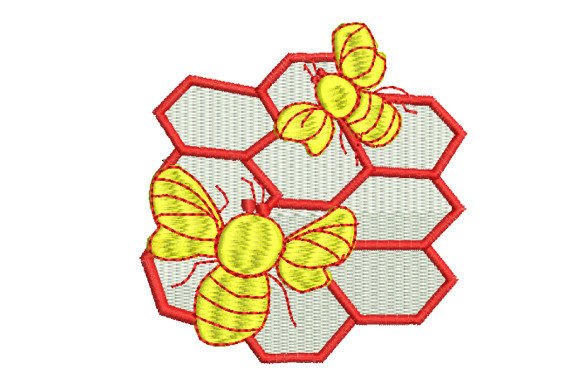
Worker Bees Building Honeycomb
As an experienced embroidery designer who has reviewed thousands of digital files for commercial production, I approach every new asset with a critical eye toward business application. Today, I am reviewing the Worker Bees Building Honeycomb design, a piece that falls under the Bugs category and is marketed as a unique machine embroidery design. For small business owners, Etsy sellers, and apparel decorators, choosing the right embroidery file is not just about aesthetics; it is about ensuring the finished product withstands wear, maintains brand integrity, and communicates the right message to customers.
The title Worker Bees Building Honeycomb immediately suggests themes of industry, community, and craftsmanship. In the context of a small business merch line, this imagery resonates deeply with brands that value hard work, collaboration, and organic growth. Whether you run a local café, a handmade boutique, or a creative studio, this design offers a narrative that aligns perfectly with the ethos of many modern entrepreneurs.
First Impressions and Brand Personality
When evaluating Worker Bees Building Honeycomb, the initial feeling is one of grounded professionalism mixed with a touch of rustic charm. The concept of worker bees performing almost every task in the hive implies a dedication to detail and a collective effort. This makes the design feel friendly yet bold enough to serve as a primary logo accent. It avoids being overly playful or cartoonish, which allows it to fit into more serious brand identities while still retaining the warmth of a handmade product.
For a brand identity focused on trust and reliability, this design acts as a visual metaphor. Customers often associate the bee with productivity and nature. By incorporating Worker Bees Building Honeycomb into your custom apparel or branded patches, you are subtly signaling that your team works diligently behind the scenes to deliver quality results. This can significantly enhance customer engagement and foster a sense of connection with your audience.
Real-World Applications for Small Businesses
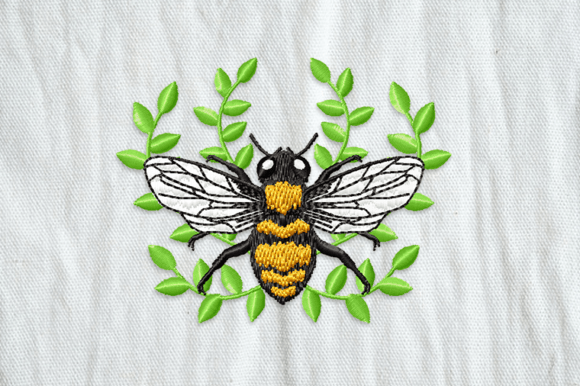
In my experience testing designs for various commercial projects, Worker Bees Building Honeycomb shows great potential across multiple product categories. Its versatility makes it a strong candidate for embroidered patch applications. Imagine a coffee shop owner adding this patch to the chest of their barista uniforms or on the back of a leather apron. The honeycomb motif provides a structured background that looks excellent on dark fabrics, offering high contrast if the thread colors are chosen correctly.
For tote bag designers and crafters, this design serves as an ideal tote bag design. A canvas bag featuring Worker Bees Building Honeycomb becomes a walking advertisement for a florist, a bakery, or a pet brand. The organic shapes of the honeycomb fill the space well without looking cluttered, making it perfect for the large surface area of a tote. Similarly, for cap embroidery, the compact nature of the bee elements could work well as a side detail or a centered front logo, provided the stitch density is appropriate for the curved surface.
Furthermore, this design is excellent for product packaging accents. Small businesses often use branded stickers or tags, but a sewn-in label featuring Worker Bees Building Honeycomb adds a premium tactile element to clothing or accessories. It elevates the perceived value of the item, transforming a standard garment into a collectible piece of commercial embroidery art.
Critical Considerations and Potential Pitfalls
While the design is promising, there are specific areas where Worker Bees Building Honeycomb requires careful execution to avoid compromising the final look. One major concern is the stitch density. If the honeycomb structure contains too many stitches packed into a small area, it may cause fabric puckering, especially on lightweight materials like tee shirts or thin tote bags. Designers must verify the stitch count before sending the file to production.
Another challenge lies in sizing. If you intend to use this as a tiny chest logo or a small accessory tag, the intricate details of the bees might get lost. Embroidery is less forgiving than print at small scales. I recommend testing the design at your intended final size to ensure the outlines remain crisp and the individual bees are distinguishable. Additionally, if the design includes fine lettering or very thin lines, it may not hold up well after frequent washing, particularly on items like work shirts that undergo industrial laundering.
Fabric texture also plays a crucial role. On highly textured fabrics, such as heavy denim or fleece, the smooth curves of the honeycomb might appear distorted. Dark uniforms present another hurdle; if the thread colors used in Worker Bees Building Honeycomb do not have sufficient contrast against the fabric, the design will disappear. Always review the thread color palette against your specific material choices to guarantee visibility.
Impact on Brand Identity and Customer Trust
A well-executed embroidered design does more than decorate; it builds brand equity. When a customer sees Worker Bees Building Honeycomb stitched neatly onto a high-quality apron or a durable tote bag, it signals attention to detail. This visual consistency reinforces the idea that your business cares about quality. In the competitive landscape of Etsy branding and online marketplaces, professional presentation is a key differentiator.
The narrative of the worker bee fosters a sense of community and shared effort. When customers purchase merchandise featuring this design, they are buying into the story of hard work and collaboration. This emotional connection can lead to higher retention rates and increased word-of-mouth referrals. However, this only works if the physical execution matches the aspirational message. A sloppy stitch job or a poorly placed patch can undermine the entire brand perception.
Professional Designer Notes for Production
Before integrating Worker Bees Building Honeycomb into your production line, follow these essential steps to ensure success:
- Test in Black and White: Convert the design to grayscale first to check the balance of negative space and fill. This helps identify areas that might be too dense or too sparse.
- Verify Stitch Density: Check the stitch count per square inch. High-density areas need proper stabilization to prevent distortion.
- Check Thread Color Contrast: Ensure the selected threads pop against your target fabric color. Use a printable mockup to visualize the final effect.
- Inspect Spacing and Hoop Size: Confirm that the design fits within your available hoop size and that there is adequate spacing around the edges for clean stitching.
- Use Proper Stabilizer: Depending on the fabric texture, choose between cut-away, tear-away, or wash-away stabilizers to support the digital embroidery file.
- Test on Real Fabric: Never rely solely on screen previews. Run a sample on the actual material you plan to use to see how the fabric texture interacts with the stitches.
- Confirm Commercial Licensing: Before using this design for mass production or resale, verify the licensing terms to ensure you have the legal right to use it for commercial embroidery projects.
By following these guidelines, you can transform Worker Bees Building Honeycomb from a simple graphic into a powerful tool for your business. Whether you are creating staff uniforms, promotional giveaways, or premium product labels, this design offers a unique opportunity to showcase your brand's dedication to excellence.
Ultimately, the success of any embroidery file depends on the synergy between the design, the materials, and the skill of the operator. With careful planning and attention to detail, Worker Bees Building Honeycomb can become a signature element of your brand identity, leaving a lasting impression on everyone who sees it.