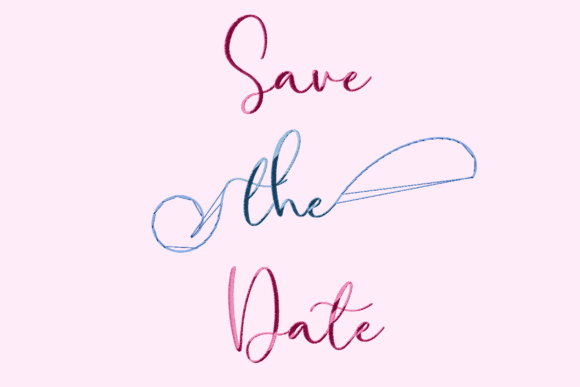
Save the Date Lettering Design Review
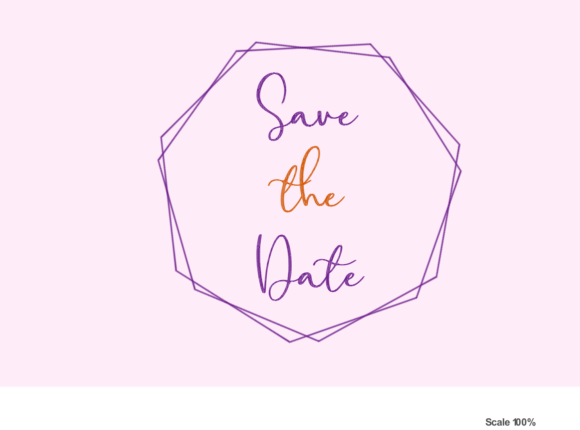
As an embroidery designer who has spent years turning digital files into tangible brand assets, I approach every new design with a mix of creative excitement and practical scrutiny. When evaluating a file for small business merch, branded patches, or custom apparel, the goal is never just decoration—it is about creating a professional, durable, and recognizable element that adds value to your product line. Today, we are reviewing the Save the Date Lettering design. While its title suggests a specific wedding context, its aesthetic versatility makes it a compelling candidate for various commercial applications, from boutique branding to event merchandise.
First Impressions: Balancing Casual Charm with Elegance
The description of Save the Date Lettering highlights it as both "casual and elegant." In the world of machine embroidery, achieving this balance is difficult but highly effective when done right. My initial assessment is that this design likely leans towards a hand-lettered or script style, which inherently feels more personal and handmade than rigid block fonts. This visual personality is crucial for brands aiming to convey warmth, authenticity, and attention to detail.
For a small business owner, whether you run a local café, a handmade jewelry shop, or a creative studio, this duality is valuable. The "casual" aspect ensures the design does not feel overly stiff or corporate, while the "elegant" component elevates the perceived quality of the finished product. It suggests a level of sophistication that appeals to customers looking for premium, artisanal goods rather than mass-produced items. This makes it an excellent choice for branded patch applications where you want the logo or accent to feel like a curated detail rather than a stamped logo.
Real-World Business Applications
Let us move beyond the screen and discuss how Save the Date Lettering performs in actual production scenarios. As a machine embroidery design, its utility extends far beyond traditional wedding invitations. Here is how it can integrate into your product ecosystem:
- Branded Patches and Badges: One of the strongest use cases for lettering designs is the creation of embroidered patches. These can be sewn onto denim jackets, canvas tote bags, or leather goods. The elegance of this design allows it to serve as a subtle yet sophisticated badge for a boutique clothing line or a creative agency’s portfolio piece.
- Staff Uniforms and Aprons: For businesses in the hospitality sector, such as bakeries or cafes, this design can add a touch of class to staff uniforms. Embroidering this lettering on the chest of a work shirt or the pocket of an apron creates a cohesive look that signals professionalism without sacrificing friendliness. It transforms standard workwear into branded merchandise that staff might actually enjoy wearing.
- Tote Bag Designs: Canvas totes remain a staple of small business merch. A well-executed lettering design on a tote bag serves as a walking advertisement. Because the design is described as looking great on any fabric, it should hold up well on natural fibers like cotton or linen, enhancing the handmade product appeal.
- Cap Embroidery: Structured caps often feature front-center logos. If the lettering is curved or stylized appropriately, it can fit neatly on the front panel of a cap. This is particularly effective for seasonal collections or limited-edition drops where you want to create buzz among your customer base.
- Product Packaging Accents: Beyond apparel, this design can be used on hang tags, gift boxes, or tissue paper stamps (if digitized for printing). Adding an embroidered label to a high-end product package significantly increases unboxing experience and perceived value.
Strategic Considerations and Potential Pitfalls
While the aesthetic potential is high, a professional review must address technical limitations. Not every design works in every application, and understanding these nuances is key to avoiding costly production errors.
Size and Legibility: Lettering designs are notoriously sensitive to scale. If you intend to use this as a tiny patch or a small chest logo, you must ensure the individual characters remain distinct. Fine details in script fonts can merge together if the stitch density is too low or the size is too small. Always test the design at its intended final dimensions before committing to bulk production.
Fabric Texture and Contrast: The claim that it looks great on "any fabric" requires a grain of salt. On highly textured fabrics like heavy tweed or bouclé, the definition of the lettering may be lost. Similarly, thread color contrast is critical. On dark uniforms or dark-colored apparel, you will need light-colored threads to maintain readability. Conversely, on light fabrics, dark threads provide the necessary pop. Always consider the fabric texture when selecting thread colors to ensure the design remains legible.
Durability and Washing: For items that require frequent washing, such as aprons or work shirts, the stability of the embroidery is paramount. Ensure that the digitization includes adequate underlay stitches to prevent puckering. High stitch density can sometimes lead to stiffness, which might be uncomfortable for the wearer. Evaluate the balance between durability and comfort, especially for garments worn close to the skin.
Impact on Brand Identity and Customer Trust
In the competitive landscape of Etsy branding and independent retail, visual consistency builds trust. Using a design like Save the Date Lettering across multiple touchpoints—caps, totes, labels—creates a unified brand language. Customers subconsciously associate high-quality embroidery with high-quality products. The craftsmanship involved in professional commercial embroidery signals that you care about the details, which translates directly to customer confidence in your brand.
Furthermore, the "casual yet elegant" vibe helps humanize your brand. It suggests that you are approachable but competent. This emotional connection is vital for buyer engagement and repeat purchases. When a customer sees a beautifully executed design on a product they love, they are more likely to share it on social media, providing organic marketing for your business.
Practical Designer Notes for Production
Before incorporating Save the Date Lettering into your next production run, follow these essential steps to ensure success:
- Test in Black and White: Convert the design to monochrome first. This helps you evaluate the spacing and flow of the letters without the distraction of color. If it doesn’t read well in black and white, it won’t work in color either.
- Check Stitch Density: Review the file for appropriate stitch density. Too dense, and the fabric will pucker; too sparse, and the fabric will show through. Adjustments may be needed depending on the target material.
- Confirm Hoop Size: Ensure the design fits within your available hoop sizes. If you are working with large items like full-size aprons, you may need to split the design or use a larger hoop setup.
- Use Proper Stabilizer: The choice of stabilizer (cut-away vs. tear-away) depends on the fabric. For stretchy knaps or delicate wovens, a cut-away stabilizer provides better long-term support.
- Create a Printable Mockup: Before embroidering, create a digital mockup to visualize the design on your actual product. This allows for client approval and helps identify any scaling issues early.
- Verify Commercial Licensing: Most importantly, confirm that you have the correct commercial license to use this digital embroidery file for resale purposes. Different designers offer different terms, and ensuring legal compliance protects your business.
In conclusion, Save the Date Lettering offers a versatile and stylish option for businesses looking to enhance their custom apparel and merchandise. By carefully considering its application, testing thoroughly, and aligning it with your brand identity, you can leverage this design to create memorable, high-quality products that resonate with your customers.