Reviewing the Karma Design for Personalized Gift Products
As an embroidery designer who has spent years testing files for both personal projects and commercial client work, I approach every new digital download with a mix of excitement and skepticism. The market is saturated, but true quality stands out. Recently, I put the Karma design through its paces to determine if it belongs in my collection of go-to patterns for Inspirational themed collections. This review is written from the perspective of someone preparing this file for real-world application on personalized gift products, focusing on practical performance, aesthetic appeal, and commercial viability.
First Impressions: Mood and Emotional Appeal
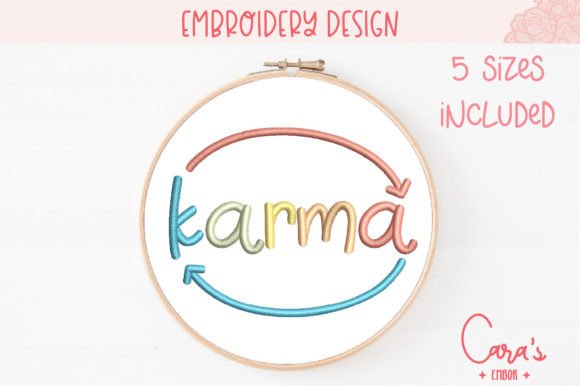
The moment I loaded the Karma embroidery file into my software, the intent was clear. This is not just a decorative pattern; it carries weight. The design exudes a sense of calm determination and positive reinforcement, making it perfect for the modern consumer who values mindfulness alongside aesthetics. It feels elegant yet accessible, striking a balance between classic typography and contemporary graphic simplicity.
For makers looking to create meaningful keepsakes, the charm of Karma lies in its versatility. It does not scream for attention but rather invites the viewer to pause. Whether intended for a nursery wall hanging or a daily-use kitchen towel, the design brings a warm, handmade quality that resonates with buyers seeking emotional connection in their purchases. It feels sweet without being overly childish, and romantic without being cliché. This balance is crucial for creating a handmade product that appeals to a broad demographic, from young parents to seasoned crafters.
Application Scenarios: Where Karma Shines
I tested Karma across several common personalized gift categories to see how it translates from screen to fabric. Here is where the design truly excels:
- Baby Embroidery and Nursery Decor: The soft, inspirational nature of the design makes it ideal for baby blankets, muslin cloths, and nursery pillow covers. Parents are often looking for items that convey hope and love, and Karma delivers that sentiment beautifully. When stitched on organic cotton or soft flannel, it adds a layer of perceived value that justifies a higher price point.
- Wedding Gifts and Keepsakes: For couples celebrating milestones, this design works wonderfully on linen napkins, guest book covers, or custom tote bags. It serves as a subtle reminder of shared values, making it a thoughtful wedding gift that guests will actually use and cherish.
- Home Textiles: An embroidered towel featuring Karma can transform a standard kitchen item into a statement piece. Similarly, placing this design on a cozy throw blanket or a decorative pillow cover creates a focal point in any living space. The design’s clean lines ensure it remains legible and impactful even when scaled down slightly.
- Etsy Seller and Small Shop Product: For digital sellers and small business owners, Karma offers high versatility. It can be used to create matching sets (e.g., a mug and a coaster) or individual high-margin items. Its inspirational theme taps into a consistent demand for motivational home goods, making it a reliable addition to an Etsy seller’s inventory.
Critical Considerations: Where to Use Caution
While Karma is a strong design, no embroidery file is universally flawless. As a professional, I must highlight specific areas where care is required to maintain the integrity of the finished product. The provider notes that resizing or editing is not recommended, and quality cannot be guaranteed if altered. This warning is significant and should be heeded strictly.
Fabric Texture and Thickness: The design performs best on smooth, stable fabrics like cotton, linen, or canvas. Avoid using it on highly textured fabrics such as terry cloth towels unless you are using a heavy-duty stabilizer and have tested the stitch penetration thoroughly. Thick loops in terry cloth can obscure fine details, leading to a muddy appearance. Similarly, stretchy baby clothes require careful stabilization to prevent puckering, which can distort the lettering.
Delicate Details and Lettering: While the main text is bold, check the smaller elements of the design. If you plan to embroider this on very small items, such as hat brims or tiny pouches, the detail may become lost. Always test on scrap fabric first to ensure that the smallest stitches hold up after washing.
Color Contrast: The visual impact of Karma relies heavily on thread color contrast. On dark fabrics, light threads are essential, but they may require a backing layer to prevent show-through. Conversely, on light fabrics, dark threads provide sharp definition. Poor contrast choices can make the design look flat and unappealing, reducing its giftability.
Impact on Perceived Value and Customer Trust
In the world of handmade goods, presentation is everything. A well-executed Karma design elevates the perceived value of the item significantly. Customers associate clean, precise stitching with professionalism and care. When a buyer sees a neatly embroidered inspirational quote on a high-quality tote bag or apron, they perceive the item as a premium custom embroidery piece rather than a mass-produced novelty.
This perception builds trust. Buyers are more likely to leave positive reviews and return for future purchases when the physical product matches the expectations set by the printable mockup. Furthermore, the emotional resonance of the word "Karma" encourages social sharing. Customers often photograph their new gifts for social media, providing free marketing for your shop. The design’s aesthetic appeal directly influences buyer engagement and word-of-mouth referrals.
Practical Embroidery Notes for Success
To ensure that your final product meets professional standards, follow these technical guidelines before running large batches for customers:
- Test on Scrap Fabric: Never assume a design will stitch perfectly on your target material. Always run a test hoop on the exact fabric you intend to sell.
- Check Thread Color Contrast: Verify that the chosen thread colors pop against the fabric background under different lighting conditions.
- Confirm Hoop Size: Ensure your machine’s hoop size accommodates the design dimensions without awkward re-hooping, which can misalign the pattern.
- Review Stitch Density: High density can cause fabric distortion, while low density may look sparse. Adjust settings if necessary, though altering the file itself is discouraged.
- Use Proper Stabilizer: Match the stabilizer type (cut-away, tear-away, or water-soluble) to the fabric’s stretch and weight. This is critical for maintaining the shape of the design over time.
- Compare Light and Dark Mockups: Create digital mockups using both light and dark backgrounds to visualize how the design will appear in different contexts.
- Check Small Details After Stitching: Inspect the test sample closely for any skipped stitches or tangled threads, especially in intricate areas.
- Confirm Commercial Licensing: Before selling finished products, verify that your license allows for commercial use. This protects your business and ensures ethical practices within the digital embroidery file community.
By adhering to these practices, you can leverage the beauty and meaning of the Karma design to create exceptional machine embroidery designs that delight customers and strengthen your brand. Remember, the success of a finished product often hinges on the attention to detail paid during the preparation phase. With careful execution, Karma can become a staple in your repertoire of inspirational gifts.