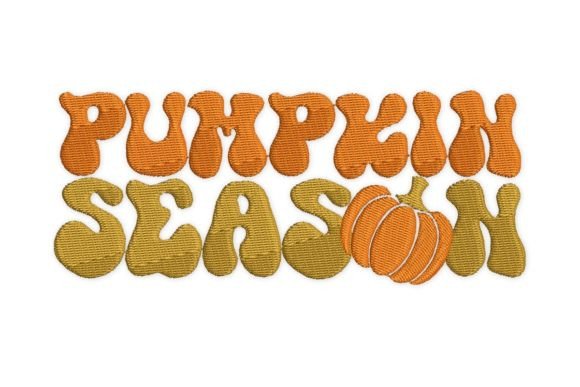
Pumpkin Season: A Designer's Real-World Review
When I first opened the file for Pumpkin Season, I wasn't just looking at a pattern; I was visualizing the finished product on a shelf or in a customer's hands. As someone who spends hours tweaking stitch density and testing fabric compatibility, my initial reaction to this design is one of cautious optimism. It promises to be fun and easy to stitch, but the true test lies in how it translates from a digital screen to a tangible, high-quality embroidered piece.
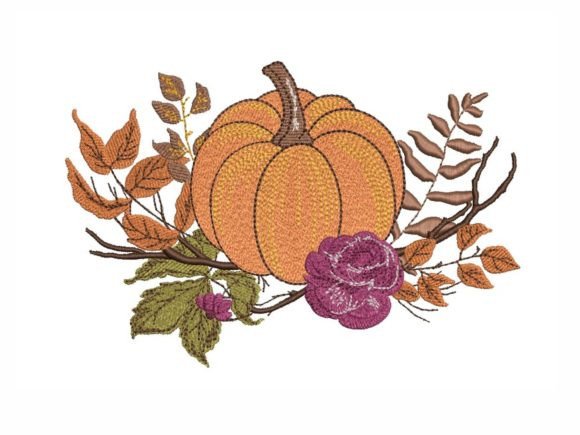
The mood created by Pumpkin Season is undeniably warm and inviting. It captures the essence of Autumn without feeling cluttered or overly busy. The layout feels balanced, suggesting that the designer intended this not just as a seasonal novelty, but as a piece of art that can stand alone on a garment or home decor item. For the creative entrepreneur or Etsy seller, this distinction matters. Customers are increasingly drawn to designs that feel intentional rather than generic, and the elegant silhouette of this design suggests it has that potential.
From Digital File to Finished Product
I recently put Pumpkin Season through a practical stress test to see how it would perform in a real-life scenario. My goal was to create a custom embroidered tote bag for a local craft fair booth. Tote bags are a staple for small businesses because they are versatile, but they present unique challenges regarding fabric texture and hoop stability. I selected a sturdy canvas material, which is a common choice for durable merchandise.
The execution was smooth. The design stitches up with a fluidity that confirms its "easy to stitch" claim. However, the magic happens in the details. The way the fill stitches lay down creates a rich texture that mimics the natural ridges of a pumpkin skin. When viewed under bright store lighting, the satin stitch edges catch the light beautifully, adding a professional sheen that elevates the perceived value of the handmade product. This level of clarity is crucial for an Etsy listing or a boutique display, where the first few seconds of viewing determine if a buyer stops to look closer.
If I were using this for a sweatshirt embroidery project, the results would likely differ slightly due to the knit fabric. While the design holds up well on woven cottons, the stretchiness of a jersey knit requires careful stabilizer selection to prevent puckering. In a commercial setting, consistency is king. If you are producing a run of twenty identical aprons, knowing exactly how the thread colors interact with the specific fabric batch is vital. Pumpkin Season offers enough contrast in its lines to work on various backgrounds, provided you choose your thread palette wisely.
Strategic Placement and Visual Appeal
One of the most critical aspects of evaluating any machine embroidery design is understanding where it belongs. Pumpkin Season feels most at home on items that celebrate the harvest season, such as kitchen towels, pillow covers, or holiday gifts. The design's elegance allows it to transition seamlessly from a casual Halloween decoration to a sophisticated Thanksgiving centerpiece.
For the baby clothing market, this design could be a hit. Parents often look for personalized gifts that are both cute and timeless. A soft onesie featuring this motif, stitched with gentle pastel threads instead of traditional orange, could become a cherished keepsake. The running stitch elements add a delicate touch that works well on fine fabrics like muslin or bamboo blends, making it suitable for nursery decor or a baby shower gift.
However, not every surface is a good candidate. I must advise caution when considering curved surfaces like caps or hats. While the design might fit within the standard hoop dimensions, the curvature of a cap can distort the geometry of the pumpkin shape if the tension isn't perfect. Similarly, on textured fabrics like heavy corduroy or boucle wool, the fine details might get lost. The intricate corners of the design require a flat, stable surface to maintain their sharpness. If you are selling embroidered patches, ensure the backing is rigid enough to support the dense stitch areas without warping during application.
Practical Notes for Designers and Makers
Before committing to a large production run, there are several technical checks that every experienced designer should perform. First and foremost, always test the design on scrap fabric. This simple step reveals issues with thread breakage, puckering, or color bleeding that cannot be predicted from a digital preview. When reviewing the Pumpkin Season file, pay close attention to the stitch density. High-density areas can sometimes cause the fabric to pucker if the wrong stabilizer is used, especially on lightweight materials.
Thread color contrast is another factor that defines the final aesthetic. On dark fabric, a light background or outline is essential to make the design pop. Conversely, on light fabric, darker threads provide definition. I recommend creating black and white mockups to check the contrast balance before spending time on physical samples. This helps ensure that the design remains legible and visually appealing regardless of the colorway.
Stabilizer selection is non-negotiable for a professional finish. For a tote bag design, a cut-away stabilizer is often necessary to provide long-term support, preventing the embroidery from sagging after repeated washing. For baby items, a tear-away might suffice, but it must be removed gently to avoid damaging the delicate stitches. Always confirm whether the design includes instructions for specific stabilizers, or consult your machine's manual for best practices.
Licensing and Commercial Use Considerations
For those planning to sell finished products featuring Pumpkin Season, understanding the licensing terms is paramount. Many digital embroidery files come with restrictions on how many units you can produce or whether you can resell the digital file itself. Before listing your handmade product on a platform like Etsy, read the license agreement thoroughly. Some licenses allow for unlimited sales of finished goods, while others limit the quantity or require a separate commercial license for mass production.
Additionally, consider the longevity of the trend. While Autumn-themed designs are perennially popular, the specific style of Pumpkin Season should align with your brand identity. If your shop focuses on minimalist aesthetics, this design might need subtle adjustments in thread choice to fit your collection. If your brand is all about rustic charm, it fits perfectly. The key is to ensure that the design enhances your brand consistency rather than standing out as an outlier.
In conclusion, Pumpkin Season is a versatile and well-executed machine embroidery design that delivers on its promise of elegance and ease. Whether you are crafting a personalized gift for a friend or building a line of boutique products, this design offers a solid foundation for creativity. By paying attention to fabric choices, stabilizer types, and proper testing, you can ensure that every finished product reflects the high quality that customers expect. It is a tool that, when used with care and insight, can elevate your craft business and delight your clients.