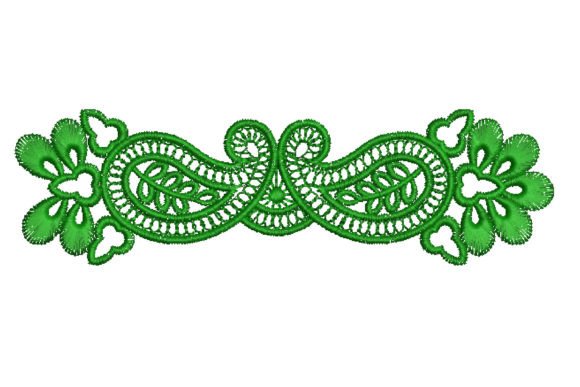
Paisley Duet Review: A Designer’s Take on Stitching Elegance
As a designer who spends half the day sketching concepts and the other half troubleshooting stitch errors, I don’t just look at an embroidery design; I look at how it will behave under the needle. When I first pulled up Paisley Duet, my immediate reaction was one of quiet appreciation for its balance. It isn’t trying to shout for attention with overly complex technical feats, but rather relies on a sophisticated composition that feels timeless. For those of us in the handmade product space—whether we are running a boutique Etsy shop or crafting personalized gifts for friends—the difference between a "good" design and a "sellable" design often comes down to this kind of thoughtful execution.
The First Impression: Mood and Composition
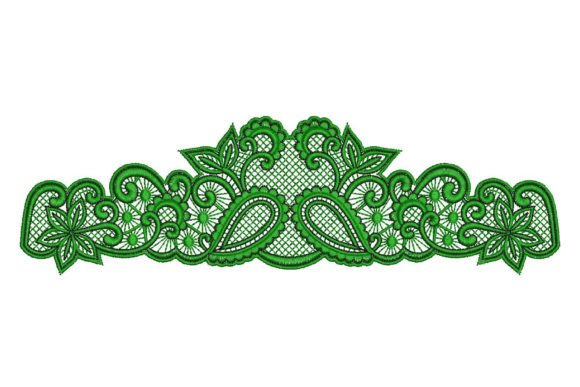
The moment you see Paisley Duet, you notice the fluidity of its lines. The paisley motif is often criticized in machine embroidery for becoming muddy if the density is off, but here, the layout feels airy yet substantial. It creates a mood of classic elegance without feeling stuffy or outdated. The visual personality of this piece suggests versatility. It doesn’t scream "boho festival" nor does it whisper "corporate uniform." Instead, it sits comfortably in that sweet spot of elevated casual wear and refined home decor.
From a design perspective, the shape allows for natural focal points. This is crucial when thinking about placement on garments or accessories. The design has a clear center of gravity, which helps guide the eye across the finished product. Whether you are placing it on the left chest of a sweatshirt or centered on a pillow cover, the symmetry (or intentional asymmetry) provides a sense of stability that customers subconsciously appreciate. It feels professional, not amateurish.
Real-World Application: From Sketch to Stitched Reality
I recently had a scenario where I needed a versatile design for a batch of custom embroidered tote bags intended as corporate gifts for a creative agency. The client wanted something that felt personal but not overly childish. Paisley Duet came to mind immediately. Here is how I envisioned it translating from a digital file to a physical handmade product.
On canvas or heavy cotton twill, the design would hold its structure beautifully. The fill stitch areas likely provide enough coverage to hide the fabric weave, creating a smooth surface that looks polished. However, the true test of any embroidery file is how it handles different textures. I imagined pairing this with a muted olive green canvas bag, using cream or gold thread colors. The contrast would be soft but legible, giving the item a high-end boutique feel. This is exactly the kind of custom apparel detail that elevates a simple tote into a keepsake.
Beyond totes, this design screams potential for home decor. Imagine Paisley Duet stitched onto a linen tea towel or a neutral-colored apron. The intricate details would catch the light differently depending on the fiber content, adding depth to the finished product. For Etsy sellers looking to expand their design assets, this pattern works exceptionally well for kitchen towels because the scale is usually forgiving. It doesn’t require a massive hoop, making it accessible for smaller machines while still looking substantial.
Apparel and Wearables
When considering sweatshirt embroidery or t-shirt designs, the key is scale. Paisley Duet appears to have a medium footprint, which makes it ideal for standard placements. On a heavyweight hoodie, the stitch density needs to be sufficient to prevent the fabric from puckering, but light enough to remain comfortable against the skin. If used on baby clothes, the softer curves of the paisley shape are gentle and appropriate, avoiding harsh angles that might feel aggressive in a nursery setting. It fits perfectly into the category of baby embroidery items like muslin wraps or onesies, where tenderness is the primary aesthetic goal.
Where to Exercise Caution
No design is perfect for every situation, and as a reviewer, I need to be honest about where Paisley Duet might struggle. Machine embroidery is a game of physics, and certain fabrics and placements will challenge even the best digitized files.
- Small Hoop Sizes: If your machine has a limited hoop area, ensure the design fits comfortably with a margin. Crowding the edges can lead to trimming issues or misalignment during the jump stitches.
- Textured and Stretchy Fabrics: While paisley shapes are generally forgiving, highly textured fabrics like bouclé or thick chenille can obscure fine details. Similarly, stretchy knits require careful stabilization. Without proper support, the running stitch outlines might distort, causing the design to look wavy or uneven after washing.
- Curved Surfaces: Attempting to embroider this on a cap or hat requires precision. The flat nature of most paisley designs might not follow the curve of a crown perfectly unless the digitizer has accounted for 3D puff effects or specific curvature adjustments. For beginners, flat projects like pillow covers or flat panels are safer bets.
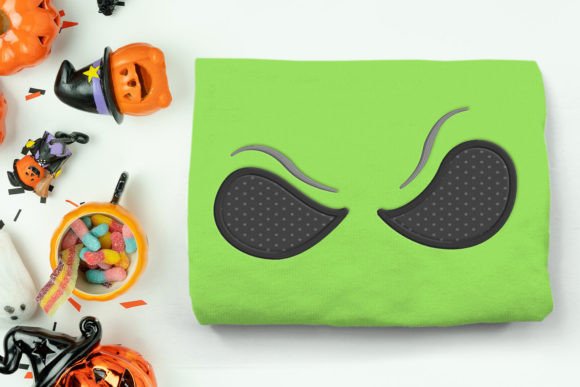
- Dense Stitch Areas: Always inspect the dense sections of the design. If the stitch density is too high for the fabric weight, you risk needle breakage or thread tension issues. On thin fabrics, this could result in visible holes or puckering around the edges of the applique design elements.
Practical Designer Notes for Success
Before you commit to stitching out dozens of units for a craft business or a large order of personalized gifts, there are several steps I always recommend taking. These habits save time, money, and frustration.
- Test on Scrap Fabric: Never assume a design will look good on your target material just because it looked good on a computer screen. Test Paisley Duet on the exact fabric you plan to use. Check how the thread colors interact with the background. A color that pops on white might disappear on beige.
- Check Black and White Mockups: Convert your design preview to grayscale. This helps you evaluate the contrast and visual weight of the satins versus the fills. If the design looks muddy in black and white, it will likely look muddy in color too.
- Verify Licensing: If you are planning to sell the finished product, double-check the licensing terms associated with the digital embroidery file. Some designers allow commercial use for a limited number of items, while others restrict sales entirely. Clearing this up early protects your small shop product listings from legal issues.
- Use Proper Stabilizer: The success of an embroidery project is often hidden beneath the fabric. Using the right cut-away or tear-away stabilizer ensures that the paisley motifs stay crisp and don’t shift during stitching. This is especially important for items that will undergo frequent washing, such as holiday embroidery gifts or baby items.
- Inspect Small Details: Zoom in on the smallest elements of the design. Are they too tiny to stitch clearly? Will they fray over time? Ensuring that every part of the design is technically viable prevents customer complaints about quality later on.
Final Thoughts on Value and Appeal
Paisley Duet succeeds because it understands its audience. It appeals to buyers who want something that looks expensive and carefully crafted without being overly trendy. In the world of commercial embroidery, trends fade, but classic patterns like paisley endure. This gives your printable mockup or physical listing a longevity that seasonal designs lack.
For the creative entrepreneur, this design offers a low-risk, high-reward option. It is detailed enough to justify a premium price point but not so complex that it requires hours of setup or constant machine monitoring. It strikes a balance between artistic expression and production efficiency. Whether you are decorating kitchen towels for a holiday market or adding a signature touch to custom apparel, Paisley Duet provides a reliable foundation for a beautiful finished product. Just remember to respect the fabric, check your tensions, and let the design speak for itself through quality execution.