Happy Dancing Skeletons on Halloween
As a designer who spends more time staring at stitch lines and fabric grain than sleeping, I approach every new embroidery file with a healthy dose of skepticism. We have all seen designs that look perfect in the digital preview but fall apart when the needle hits the cloth. This is why I take a practical, hands-on approach to evaluating assets before they ever make it into my production queue or onto an Etsy listing. Today, I am breaking down Happy Dancing Skeletons on Halloween, a design that promises to bring a specific kind of energy to spooky sewing projects. Is it just another clip-art skeleton, or does it have the structural integrity and visual charm to stand out in a crowded market?
The First Impression: Mood and Visual Personality
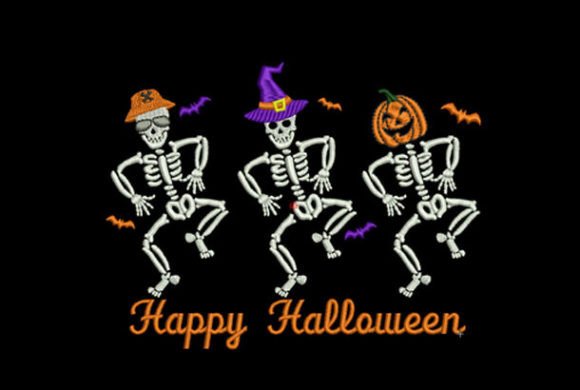
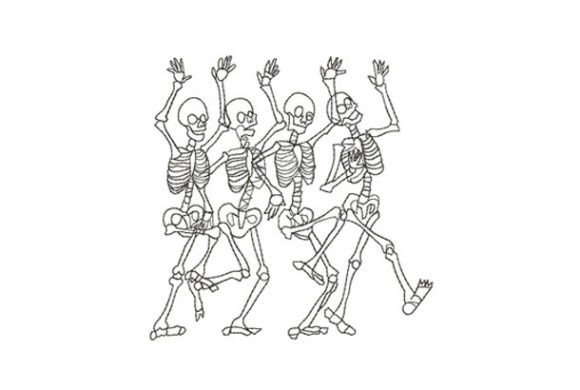
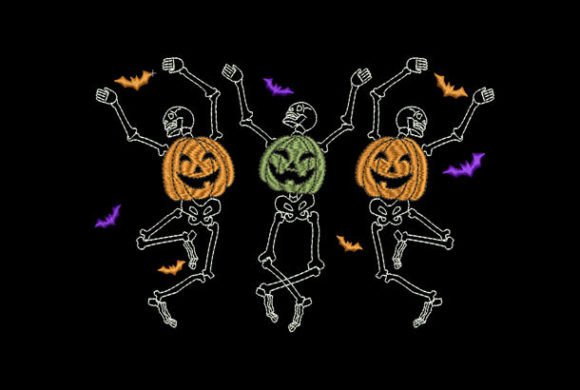
When you first load up the embroidery file for Happy Dancing Skeletons on Halloween, the immediate takeaway is its exuberance. Unlike many Halloween designs that lean heavily into horror, gore, or dark gothic aesthetics, this piece leans into joy. The skeletons are not static; they are captured mid-motion, suggesting a lively dance party. For designers looking to create products that appeal to families, children, or those who prefer a whimsical rather than terrifying vibe, this distinction is crucial.
The layout feels balanced, which is often where these types of designs fail. There is a natural flow to the movement of the figures, creating a circular or dynamic energy that draws the eye around the hoop. It feels less like a scattered collection of bones and more like a cohesive scene. This cohesion is vital for custom apparel and home decor, as it ensures the design reads clearly from a distance. The visual personality here is playful, making it an excellent candidate for personalized gifts that need to be fun without being cheesy.
Real-World Application: From Hoop to Product
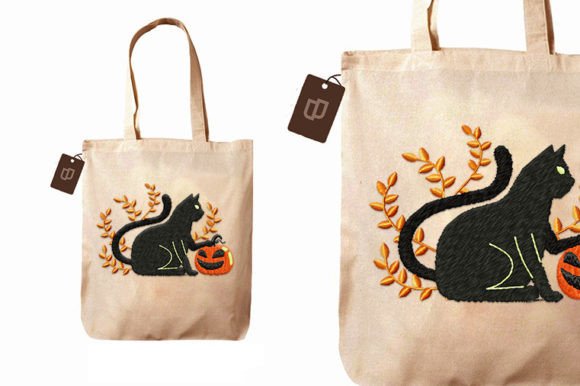
Let’s move away from the screen and talk about the finished product. I recently evaluated this design with the intention of using it for a batch of tote bag designs intended for a local craft fair. The goal was to create a reusable shopping bag that felt festive but not overly seasonal, allowing it to sell well throughout October.
On a canvas tote, the design shines. The sturdy fabric can handle the weight of the stitches without puckering, provided the correct stabilizer is used. The "dancing" aspect of the skeletons translates well to the flat surface of a bag, creating a sense of movement that static images lack. However, I also considered how this would perform on softer items. When testing on a cotton sweatshirt, the design held its shape beautifully, adding a pop of character to what might otherwise be a plain garment. It works exceptionally well as sweatshirt embroidery for teens or young adults who want something festive for a party but not something that screams "costume."
For small business owners and Etsy sellers, versatility is key. This design is not limited to just one type of item. It translates effectively to aprons for kitchen use, making it a great gift for the hostess who loves to cook during the holidays. It also has potential for pillow covers and kitchen towels, where the bright, happy theme can add a touch of whimsy to home decor. The fact that it comes in multiple formats means you can adapt it for various machine setups, increasing your potential customer base.
Where Caution is Required
Despite its strengths, no design is universally perfect. There are specific scenarios where Happy Dancing Skeletons on Halloween requires careful handling. If you plan to embroider this on a curved surface like a baseball cap, you must ensure your hoop size matches the curvature of the cap front. A design with intricate details might distort if the fabric stretches too much during stitching.
Furthermore, consider the fabric texture. On highly textured fabrics like heavy denim or boucle wool, the fine details of the skeleton's joints or facial expressions might get lost. In such cases, the stitch density needs to be high enough to cover the background texture but low enough to prevent stiffness. I also advise against using this on very thin or stretchy knits without a strong tear-away or cut-away stabilizer, as the tension could cause the fabric to pucker, ruining the clean lines of the dance moves.
Another area to watch is color contrast. Skeletons are typically white or light-colored. If you are placing this on a light beige or cream fabric, the design may disappear. Always test thread colors against your actual fabric stock. The magic of this design relies on the visibility of the bone structures, so high contrast is non-negotiable for a professional finish.
Design Integrity and Professional Polish
From a technical standpoint, the execution of this machine embroidery design appears robust. The use of satin stitch for outlines likely provides a crisp edge, while fill stitch areas seem optimized to minimize jump stitches and trimming time. For commercial embroidery projects, efficiency matters. A design that takes three hours to stitch is less profitable than one that completes in two, assuming the quality is comparable.
The design also holds up well in digital product previews. When creating mockups for your online store, this image is visually engaging. It captures attention in a scroll-heavy feed because of its dynamic pose. For craft business owners, having a design that looks good both stitched and in a digital mockup is a huge advantage. It allows you to market the product effectively before the customer even sees the physical item.
Practical Designer Notes for Success
Before you commit this design to a final product, especially if you are selling the finished items, there are several steps you should take to ensure professionalism:
- Test on Scrap Fabric: Never run a new design directly onto your premium fabric. Use a scrap piece of the same material and thickness to check for puckering, tension issues, and stabilizer compatibility.
- Check Stitch Density: Zoom in on the digital file. Are there areas where the fill stitches overlap excessively? High density can make a handmade product feel stiff and uncomfortable, especially on clothing worn next to the skin.
- Review Small Details: Look closely at the smaller elements, such as fingers, toes, or accessories held by the skeletons. Will these stitch out clearly, or will they merge into a blob? If the details are too fine for your machine’s capabilities, you may need to adjust the scale or simplify the design digitally.
- Black and White Mockups: View your design in grayscale. This helps you assess the balance of light and dark areas. If the design looks muddy in black and white, it will likely look messy in color.
- Confirm Licensing: This is critical for commercial embroidery and Etsy sellers. Ensure you have the right license to sell finished goods made from this design. Some licenses allow personal use only, while others permit commercial sales with limitations. Do not assume; read the terms.
- Stabilizer Selection: Choose the right stabilizer for your fabric. A heavy cut-away stabilizer is best for stretchy fabrics, while a tear-away might suffice for woven cottons. The wrong choice can lead to poor registration or fabric damage.
Final Verdict
Happy Dancing Skeletons on Halloween is a solid addition to any designer’s library, particularly for those targeting the festive, family-friendly market. Its cheerful mood and dynamic composition make it versatile across a range of products, from apparel to home decor. By paying attention to fabric choice, stitch density, and proper testing, you can leverage this design to create high-quality, desirable products that resonate with customers. It is not just a spooky decoration; it is a celebration of the season, and that positive energy is what sells.