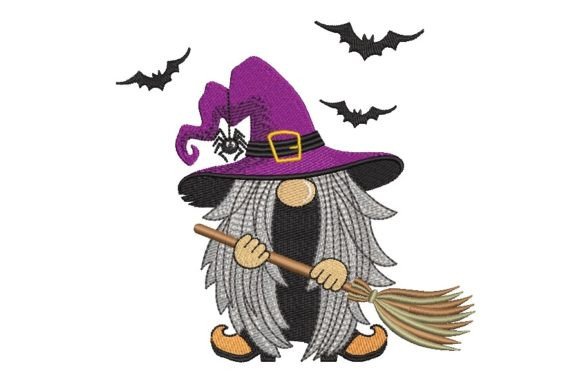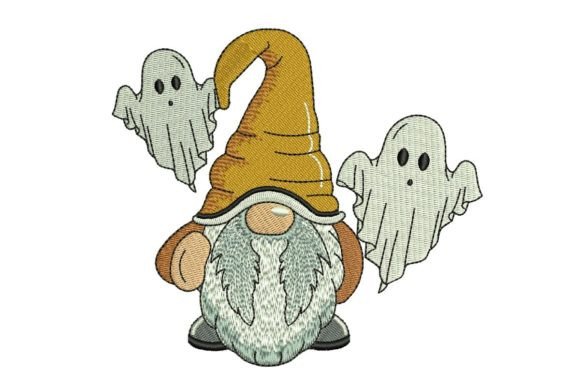
Gnome with Ghost: A Designer’s Review for Merch
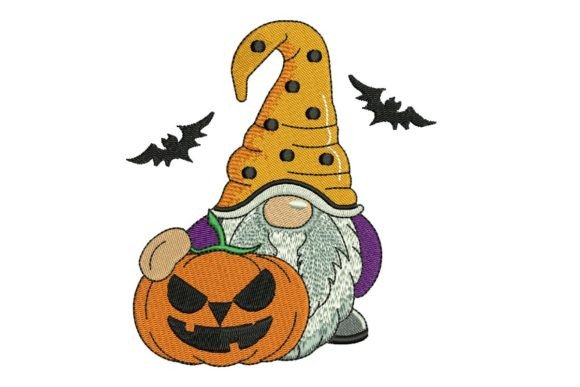
As an embroidery designer who has spent years turning digital files into tangible brand assets, I look at every new design file with a critical eye. When I first pulled up the Gnome with Ghost machine embroidery design, my initial reaction was one of cautious optimism. The description promises something "fun and easy to stitch" that will look "elegant and gorgeous," which is a tall order in the world of commercial embroidery. For small business owners, Etsy sellers, and apparel decorators, the gap between a pretty screen image and a high-quality stitched product is where profits are made or lost. This review breaks down how Gnome with Ghost performs as a branded patch, a staff uniform accent, and a piece of small business merch.
First Impressions: Balancing Playful and Premium
The title alone suggests a specific aesthetic. It hints at Halloween themes, but also at rustic charm and whimsical storytelling. From a brand identity perspective, this is powerful. It allows a bakery, a florist, or a handmade shop to inject personality without looking cheap. However, the word "elegant" in the description gives me pause. In embroidery, elegance usually comes from clean lines, balanced negative space, and thoughtful thread color choices. If the design relies too heavily on tiny details or overly complex outlines, it risks looking cluttered rather than refined when stitched onto fabric.
My first step as a designer is always to assess the visual weight. Does Gnome with Ghost feel bold enough to be recognized from a distance, or is it so delicate that it gets lost on a tote bag? For a boutique merchandise item, you want a design that acts as a focal point. If the gnome and ghost elements are well-proportioned, this design can elevate a simple canvas tote or a denim jacket into a premium handmade product. But if the stitches are too dense, the fabric may pucker, ruining the elegant finish the seller hopes to achieve.
Real-World Business Applications
Let’s move beyond the screen and talk about production. Where does Gnome with Ghost actually shine in a commercial setting?
- Embroidered Patches: This is perhaps the strongest use case. A small, cohesive design like this works beautifully as a sew-on or iron-on patch. Imagine a local coffee shop using it as a logo accent on their aprons, or a pet brand attaching it to a customer gift box. The design’s compact nature makes it ideal for these applications, provided the border is sturdy enough to withstand wear.
- Cap Embroidery: Hats are a staple of small business merch. The curved surface of a cap front requires a design that doesn’t have excessive horizontal stretching. If Gnome with Ghost has a vertical orientation or a balanced width, it could work well here. However, designers must be wary of the "ghost" element—if it includes fine text or thin lines, they may disappear on the curve of a hat.
- Tote Bag Design: Canvas totes are durable and provide a large stitching area. Here, the design can be scaled up slightly to fill the space without losing detail. It serves as a walking billboard for the brand. When a customer carries a tote with a unique, fun design, it increases brand recognition in public spaces.
- Staff Uniforms and Apron Embroidery: For cafes, bakeries, or creative studios, adding a touch of personality to uniforms builds team morale and customer connection. Placing Gnome with Ghost on the chest pocket or near the hemline adds a subtle brand signal. It tells the customer, "We care about details, even our staff's attire."
- Product Packaging Accents: Don’t overlook packaging. Attaching a small embroidered label with this design to a jar of candles, a bundle of flowers, or a baked good creates a tactile experience. It elevates the unboxing moment and encourages social media sharing.
Where to Exercise Caution
Not every application is suitable for every design. As a professional, I advise against using Gnome with Ghost in scenarios where clarity is compromised by size or material.
Small Patch Sizes: If you plan to stitch this under 2 inches wide, you must inspect the design closely. Tiny lettering or fine outlines often get muddled together during the stitching process. If the gnome’s facial features or the ghost’s shape rely on minimal stitch count, they may become indistinguishable blobs. Always test at the actual intended size before committing to a production run.
High Stitch Density and Textured Fabric: Designs with heavy satin stitches can struggle on textured fabrics like burlap or thick wool. The needle penetration becomes difficult, leading to skipped stitches or fabric distortion. Similarly, dark uniforms can hide light-colored threads. If the design uses pastel ghosts or light gnomes against a black shirt, the contrast may be too low to be effective. Test your thread colors against your actual fabric swatch.
Frequent Washing: For items like aprons or work shirts that undergo frequent laundering, the durability of the embroidery is key. Loose ends or poorly anchored stabilizers can lead to fraying. Ensure the design has adequate underlay stitches to keep the top stitches stable over time.
Impact on Brand Identity and Customer Trust
Quality embroidery signals professionalism. A sloppy stitch job screams "amateur," while a clean, precise design builds trust. Gnome with Ghost, if executed well, communicates that your brand values creativity and quality. It shows attention to detail. Customers are more likely to engage with a brand that presents itself with care. A well-stitched patch on a tote bag isn’t just a decoration; it’s a promise of quality that extends to your core products.
Furthermore, unique design assets help you stand out in a crowded marketplace. On platforms like Etsy, where competition is fierce, having exclusive or carefully curated design files can be a differentiator. It moves your product from generic to personalized, increasing perceived value and allowing for higher price points.
Practical Designer Notes for Production
Before you start mass-producing items with Gnome with Ghost, follow these essential steps to ensure a successful finished product:
- Test in Black and White: Convert the design file to grayscale to check the balance. Are there areas that are too dark (too much thread) or too light (not enough coverage)? This helps identify density issues early.
- Check Hoop Size and Stabilizer: Confirm the recommended hoop size for the design. Using the wrong stabilizer—such as tear-away instead of cut-away for stretchy fabrics—can ruin the garment. Match your stabilizer to your fabric texture.
- Create a Printable Mockup: Before cutting fabric, create a printable mockup. Place the design on images of your actual products (totes, hats, shirts). This helps visualize scale and placement relative to other brand elements.
- Inspect Thread Color Contrast: Review the thread palette. Do the colors pop against your target fabric? High contrast usually yields better readability.
- Confirm Commercial Licensing: Most importantly, verify the license terms of the Gnome with Ghost digital embroidery file. Ensure you have the right to sell physical goods made from this design. Avoid legal pitfalls by checking the provider’s policy on commercial use.
- Stitch a Sample: Never skip the physical test. Stitch the design on the actual fabric you intend to use. Inspect the back for stiffness, check for puckering, and evaluate the overall finish. Only then should you approve it for client orders or retail stock.
In conclusion, Gnome with Ghost holds significant potential for small businesses looking to add character to their merchandise. By treating it as a strategic brand asset rather than just a decorative element, and by rigorously testing its performance in real-world conditions, you can create high-quality, memorable products that resonate with customers. Just remember: the magic is in the execution. Check your stitch density, respect your fabric, and always prioritize clarity over complexity.