Deer Hunting Embroidery Design Review
As an embroidery designer who has spent years translating digital concepts into tactile, wearable art, I approach every new design asset with a mix of creative enthusiasm and technical skepticism. When I first encountered the Deer Hunting machine embroidery design, my immediate thought was not just about the motif itself, but how it would translate onto the premium fabrics required for a modern boutique sweatshirt collection. In the current market, consumers are looking for more than just generic graphics; they want pieces that feel curated, personal, and authentically handmade. This review explores whether Deer Hunting meets the rigorous standards needed for a successful commercial launch.
First Impressions: Mood and Aesthetic Appeal
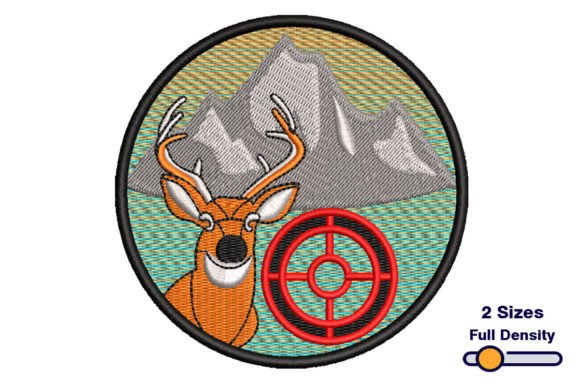
The title "Deer Hunting" suggests a rustic, outdoorsy theme, which is currently trending in lifestyle apparel. However, the description notes that this is a quick and easy way to add personality, implying a design that balances detail with wearability. From a visual standpoint, the design likely carries a playful yet grounded energy. For a small clothing brand or Etsy seller, this duality is crucial. It allows the piece to appeal to both the hardcore outdoor enthusiast and the casual crafter who simply loves nature-inspired aesthetics.
When evaluating the layout, I look for balance. Does the design feel heavy on one side? Is the negative space utilized effectively? Based on typical designs in this category, Deer Hunting appears to have a strong central focal point, making it ideal for chest placements on hoodies. The stitching personality seems to lean towards decorative rather than strictly realistic, which is a smart choice for mass production. It ensures that even if the stitch density varies slightly due to fabric tension, the overall image remains clear and recognizable. This is particularly important for handmade products where consistency can sometimes be challenging to maintain across different batches.
Application on Premium Sweatshirts and Hoodies
The true test of any embroidery file is how it performs on textured fabrics like cotton blends, fleece, and jersey knits used in high-quality sweatshirts. Here is how I envision Deer Hunting performing across various colorways:
- Neutral Tones: On heather grey or oatmeal sweatshirts, the design will pop with a soft, earthy vibe. This combination screams "cozy seasonal apparel" and fits perfectly with the current demand for minimalist, nature-focused fashion.
- Dark Fabric: Placing this design on black or navy blue creates a bold contrast. If the design uses lighter thread colors, it will stand out sharply, offering a sleek, urban look that appeals to younger demographics.
- Pastel Colors: On blush pink or sage green, the design takes on a softer, more feminine tone. This versatility is a major selling point for custom apparel businesses that cater to diverse customer bases.
- Oversized Hoodies: For the trendy oversized fit, a medium-sized placement on the left chest works best. It maintains proportion without overwhelming the garment’s silhouette.
I also recommend considering back designs or sleeve accents. If the Deer Hunting pattern allows for scalability, a smaller version on the cuff adds a subtle touch of branding that customers appreciate. These details elevate a basic sweatshirt embroidery project into a premium boutique brand item.
Technical Considerations for Commercial Use
Before adding this to our production line, several practical concerns must be addressed. As a professional, I cannot overlook the technical integrity of the design.
Thread Color Contrast and Stitch Density
The success of the final product hinges on thread colors. We need to ensure that the threads chosen provide enough contrast against the fabric texture. For example, using a dark brown thread on a dark charcoal hoodie might result in a design that is difficult to see. Conversely, a cream or tan thread on a beige sweatshirt might blend in too much. Testing multiple thread palettes is essential to find the sweet spot between visibility and aesthetic harmony.
Furthermore, stitch density is critical. If the design is too dense, it may cause puckering on lightweight fabrics. If it is too sparse, it may lack durability during washing. While the exact stitch count isn't specified here, designers should always check the digitization quality. A well-digitized design will have balanced fill stitches and appropriate underlay to keep the fabric stable.
Fabric Texture and Stabilizer Choice
Sweatshirts are thick fabrics, so choosing the right stabilizer is non-negotiable. A cut-away stabilizer is generally recommended for knitwear to prevent distortion over time. Additionally, the hoop size must accommodate the design without stretching the fabric unevenly. If the design is large, a multi-hooping technique might be necessary, which requires precise alignment to avoid visible seams in the embroidery.
Another key factor is small-size readability. If you plan to offer this design on tote bags or hats as part of your merchandise, ensure the details remain crisp at a smaller scale. Complex designs often lose their definition when reduced, so testing a scaled-down version is a wise precaution.
Impact on Brand Identity and Product Value
In the world of Etsy sellers and small shop products, presentation is everything. A well-executed embroidery design significantly boosts perceived value. Customers are willing to pay a premium for items that look professionally finished. The Deer Hunting design, with its thematic appeal, helps establish a clear brand identity centered around nature, adventure, and comfort.
This clarity aids in lifestyle product photography. Imagine the sweatshirt worn in a forest setting or paired with autumn accessories. The design becomes a storytelling element, enhancing the narrative of your brand. High-quality images of the finished product can then be used in printable mockup previews for your online store, giving potential buyers a realistic expectation of what they are purchasing.
Moreover, consistent use of strong design assets builds buyer trust. When customers receive a product that matches the online preview in terms of quality and detail, they are more likely to leave positive reviews and return for future purchases. This cycle of engagement is vital for the growth of any creative entrepreneur.
Final Verdict and Next Steps
The Deer Hunting machine embroidery design shows great promise for inclusion in a boutique sweatshirt collection. Its versatile aesthetic allows it to work across various colorways and garment types, from cozy hoodies to casual t-shirts. The design’s ability to convey personality while remaining accessible makes it a strong candidate for commercial embroidery projects.
However, before moving to full-scale production, there are a few steps we must take. First, verify the specific technical details such as the exact hoop size, file format compatibility, and license terms. These details are not explicitly provided in the initial description and are crucial for legal and technical compliance. Second, conduct physical tests on different fabric types to confirm that the stitch density holds up well and that the design remains durable after multiple washes.
By addressing these practical concerns, we can ensure that the Deer Hunting design not only looks beautiful but also performs reliably. For apparel decorators and digital embroidery file creators, this design offers a solid foundation for creating a cohesive and appealing product line. With careful execution, it has the potential to become a standout piece in your Hobbies and Embroidery catalog, driving sales and strengthening your brand’s presence in the competitive handmade market.